Distribution
10 tips to increase your direct bookings in hospitality

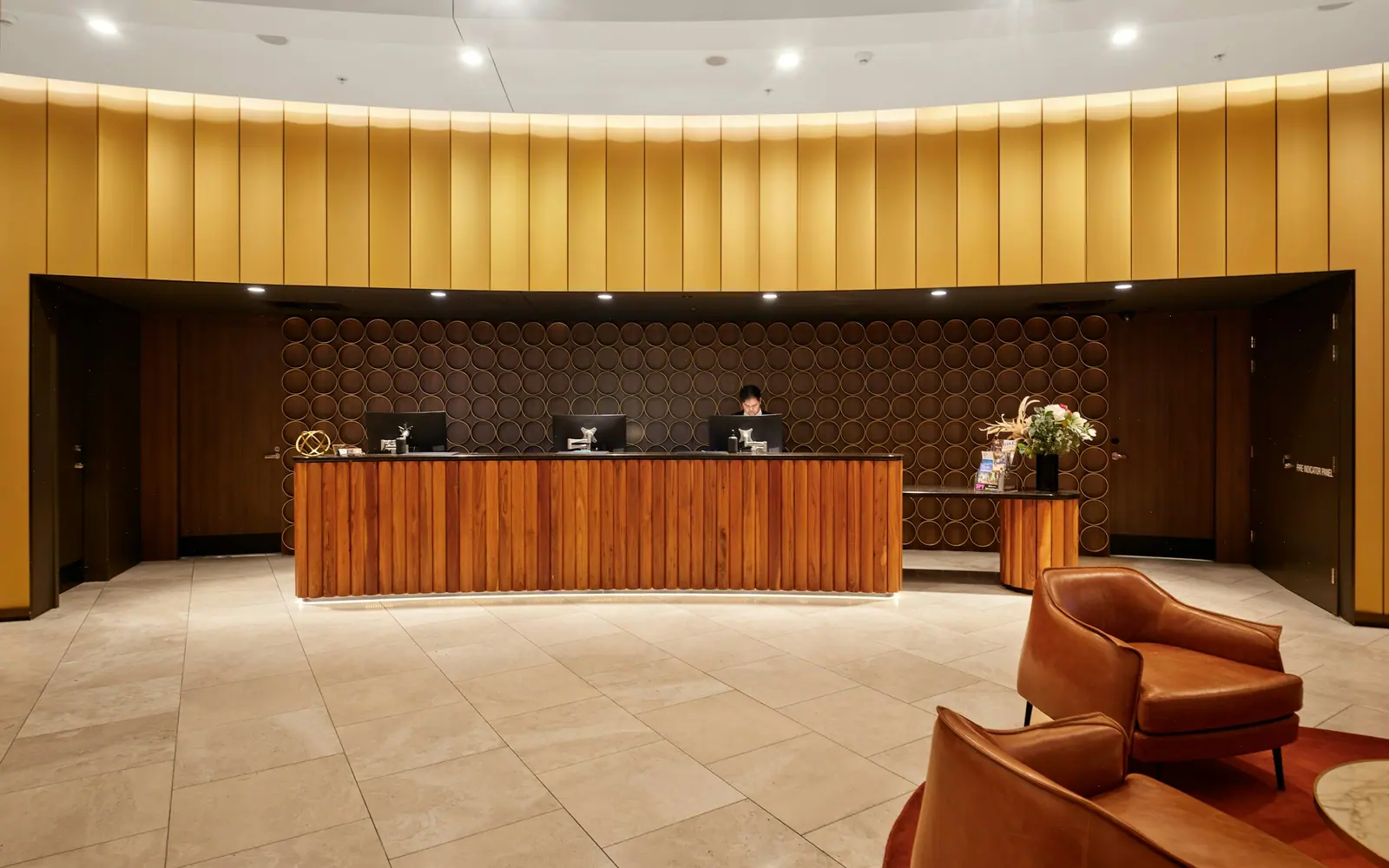
Photo: Neon Wang / Unsplash
Increasing the share of direct bookings is a priority for accommodation providers in France: independent hotels, groups, campsites, holiday residences, gîtes and hostels. Direct booking is not just a question of channel: it determines profitability, access to guest information and control of the relationship, while considerably reducing the commissions paid to intermediaries.
Travellers' expectations are changing: more mobile and more international, they expect a frictionless experience, a quick answer and a transparent offer on the property's official website. Through these 10 concrete actions adapted to the French market, you can boost your direct sales while meeting the demand for personalisation and trust.
Digitalisation, the growing number of booking channels and competitive pressure call for a regular review of your guest journey, from the website to the front desk, while complying with GDPR and industry standards.
Why increase your direct bookings?
What is a direct booking?
It means any booking made without going through an intermediary (OTA, agency), whether via your website, by phone, by email or in person at reception. You keep full access to guest data, set your own rates and control the whole experience.
The benefits
Higher net revenue: with no commission or intermediary surcharge, your margin per guest increases.
Control of the guest relationship: contacts, preferences and history stay in your own CRM.
More personalisation: the information you collect lets you offer a tailored welcome before, during and after the stay.
Reputation and loyalty: it is your brand that is showcased (not an intermediary's), and you stay in charge of what comes next.
OTAs provide useful visibility, but the goal is to reach the most profitable share of direct sales while guaranteeing security, GDPR compliance and data quality. Direct booking, transparent from start to finish, builds lasting success.
10 tips to increase your direct bookings
1. Simplify and speed up the booking journey
A visitor rarely hesitates for long: every unnecessary step pushes them towards a competitor or an OTA.
Keep it to 3 or 4 screens between choosing the dates and the confirmation.
Don't force guests to create an account to book.
Build your booking engine directly into your website: an external redirect that breaks your visual identity doesn't inspire trust.
Sync rates and availability in real time between your PMS and your booking engine.
The digital welcome book, opened with a QR code and no app, puts everything in one place (services, opening hours, practical information and a link to your booking engine), one tap away for every guest.
2. Design your website and booking engine for mobile
More than half of bookings are made or started on a smartphone. A chaotic journey makes conversion plummet.
Test the journey from A to Z on several smartphones.
Favour large buttons, simple input and short forms.
Optimise loading time: Google considers that a page should display its main content in under 2.5 seconds.
Make sure the "Book" button is easy to reach on every page.
Being able to update your information without any technical help is very handy to fix a mistake quickly and publish up-to-date terms.
3. Show prices, availability and terms with no surprises
Show the final price, all taxes included, from the very first step.
Set out the cancellation, change and payment terms clearly.
Specify what is included or not (breakfast, tourist tax, parking, etc.).
Keep rate parity across your channels, or explain the difference when it's justified (a direct-channel perk).
Connected to your booking engine, Muvia's PMS integrations send visitors to your booking funnel with their dates already filled in: the prices and availability shown are those of your engine, with no double entry.
4. Showcase guest reviews and up-to-date practical information
Online reviews now play a decisive role in choosing accommodation. Visitors want to read reliable ratings and recent comments before committing.
Build the collection and promotion of Google guest reviews into your guest journey.
Schedule reminders at the right moment during the stay to get genuine reviews.
Regularly display recent reviews on your home page and booking engine, with rating and excerpts.
Keep opening hours, services and contacts up to date, including for one-off events or exceptional closures.
Always reply to negative or mixed reviews professionally.
By multiplying touchpoints and keeping your information fresh, you show that your property is active, responsive and trustworthy.
5. Work on your local SEO and landing pages
Appearing in Google's top results for searches such as "hotel + city" or "hotel + event" means capturing guests who are ready to book.
Optimise your Google Business Profile (opening hours, phone, direct booking link, photo galleries).
Create a dedicated page for each type of guest (groups, families, business travellers) or local event, with a tailored offer.
Use unique, contextual content (partner restaurant, transport, regional activities).
Keep your opening hours, address and links consistent across the web.
With an AI hotel assistant available 24/7 in more than 40 languages, every visitor gets an immediate answer, even outside normal hours, which boosts conversion, especially among international guests.
6. Give a clear reason to book direct
Travellers compare, and expect a concrete benefit for booking on the official website.
Highlight the "book direct" benefit on your home page and during the booking process.
Examples: breakfast included, upgrade (subject to availability), welcome gift, promo code, flexible terms, offers not available elsewhere.
Be transparent about the benefit's availability and how to get it.
Marketing pop-ups also showcase your add-on offers on your website, without disrupting the main journey, and increase the value of each stay.
7. Stay visible when guests compare offers
Most guests compare across several sites: OTAs, metasearch engines, the official website.
Ask your providers to display your direct rate on metasearch engines, where possible.
Check where visitors land (home page, booking engine, terms) after clicking "direct rate" on a third-party site.
Keep your message consistent: repeat the arguments from your ads on the very first page.
Update rates and terms simultaneously across all synced channels.
Every detail of the journey strengthens or weakens the preference for the direct channel.
8. Personalise the guest relationship before, during and after the stay
A consistent, human relationship improves loyalty and conversion rate.
Send personalised pre-arrival emails (practical information, opening hours, maps, digital welcome book).
Offer targeted add-ons (parking, meals, local activities) through built-in pop-ups or automated messages.
Invite guests to leave a review before they leave, while the experience is still fresh.
Follow up with each guest with a dedicated offer (for example a "loyalty" code) to bring them back direct.
The centralised dashboard, which brings together conversations, contacts and statistics, makes day-to-day management and campaign segmentation easier.
9. Turn every call and every past guest into an advocate for the direct channel
Many bookings and last-minute questions still come in by phone, especially from guests who are less comfortable with digital tools or need more details.
Train your team to promote direct booking at every contact.
Systematically hand out flyers or QR codes pointing to your website or booking engine, on invoices or at check-out.
Collect each guest's contact details with their consent: a targeted follow-up becomes possible at the right time.
Use Muvia's lead capture to qualify every contact.
A CRM strategy and proactive management of past guests let you build a loyal base you can re-engage effortlessly, in full GDPR compliance.
10. Analyse the journeys and fix the friction points
Objective measurement lets you focus your efforts where they have the greatest impact.
Website conversion rate (from first click to confirmation), compared by device, source and period.
Share of revenue from direct bookings, net of fees and commissions.
Number and quality of contacts collected through the form or the chat.
Funnel steps where visitors drop off (payment, choosing options, terms).
Repeat bookings or bookings from a CRM contact.
Number of reviews left after a request.
Built-in analytics tools help you visualise this data in a dashboard anyone can use, for quick fixes: changing a form, a new discount code, an A/B test on mobile, and so on.
Quick checklist before investing in advertising
Before spending a single euro on acquisition, check:
the complete booking journey, tested on recent phones (iOS, Android) and the main browsers;
instant updates of rates and availability through your PMS;
the visibility and accessibility of the booking button on every page;
a loading time under 2.5 seconds on the booking page;
a clear presentation of the cancellation terms and the benefits of booking direct.
An unoptimised website dilutes the impact of advertising and creates needless frustration, for guests and staff alike.
Which indicators should you track for your direct bookings?
A few simple ratios to steer performance:
Booking funnel conversion rate: for example, 1,000 visitors for 20 confirmed bookings is 2%;
Share of net direct revenue: gross direct sales revenue, minus commissions, technical fees and acquisition costs;
Quality and volume of contacts: number of emails and phone numbers collected through the form, chat or AI assistant, and the share of them who booked after a follow-up;
Drop-off analysis: the step where the funnel "stalls" (payment, an overly long menu) or the device involved;
Returning guest rate: past guests who come back through the direct channel;
Number and timing of reviews left.
Always cross-check your analysis: seasonality, type of offer or guest segment can skew the reading of a single indicator. Work with GDPR-compliant, up-to-date data structured in your CRM.
FAQ: your frequently asked questions about direct bookings
What is a direct booking in hospitality?
It is a booking made directly with the property, with no intermediary, via the official website, by phone, by email or in person.
How can you increase direct bookings without lowering prices?
By highlighting flexibility, personalisation, exclusive benefits and a carefully managed guest relationship rather than discounts.
What benefits should you offer guests who book direct?
Options include: free breakfast, credit towards add-on services, an upgrade subject to availability, flexible cancellation terms, a promo code, early access to special offers.
How do you simplify the booking journey on mobile?
Reduce the number of steps, don't force account creation, use large buttons that are easy to tap, and always test the journey on several devices.
Can you invest in advertising before improving your website?
It's better to first make sure the booking funnel works perfectly, otherwise marketing efforts will be wasted.
Which indicators should you track to measure profitability?
Conversion rate, net share of direct sales, number of qualified contacts and the proportion of guests who come back through the direct channel.
How do you convert an OTA guest for their next stay?
Get their consent for personalised communications, and explain the benefits of the direct channel at reception or in post-stay messages.
What role do guest reviews play in the booking decision?
They reassure, act as social proof and influence both trust and the decision. Showcase them on your website and reply to every one.
What is the difference between a direct booking, a booking link and a booking request?
A direct booking is a firm, immediate commitment (website, phone, confirmed email). A booking link is only a redirect to a tool: there is a booking only if the process is completed. A request goes through a form, with no payment or immediate confirmation, and waits for a human reply.
How do you follow up with a guest who didn't complete their booking?
Through chat, email or phone, as long as they have given their consent. An AI assistant that collects the visitor's contact details makes a personalised follow-up easier, in line with GDPR.
Going further: transforming your booking experience
By relying on industry best practices and the right tools, you can:
streamline the daily handling of requests with a digital welcome book and AI assistant for hotels;
offer personalised 24/7 support in more than 40 languages: the multilingual AI assistant automates answers and the routing of requests;
turn every visitor into a usable contact, including undecided ones, with lead capture;
benefit from free installation and turnkey setup by the Muvia team, with no technical skills required;
build trust through strict GDPR compliance and secure hosting in France;
try it with no commitment through a 7-day free trial, no credit card required.
Your team also stays in control with live chat and human handover, which cuts repetitive calls to reception and lets them focus on guest satisfaction and tailored service.
To see in practice how these solutions can boost your direct sales, book a free Muvia demo.
Note: this advice is provided for information only and is not personalised. Each property remains responsible for its regulatory compliance and its strategic choices according to its own situation.
More articles
Discover more articles from Muvia Solutions

Properties
- HotelsTake the load off reception, day and night.
- CampsitesA welcome that holds up in peak season.
- Holiday residencesThe instructions for every apartment.
- HostelsAnswer every traveller in their own language.
- Holiday cottagesYour welcome book, even when you're away.
- Groups & chainsAll your properties in a single account.
Marketing, upselling & revenue
AI assistant & conversation
Digital welcome book
Resources
Worth reading